Choosing the right path for your business
|
|
Making the correct choice
Many of our clients ask what is the best choice to make out of either being a sole trader or being a limited company.
There are various different aspects that need to be taken into account hence we have created an article about the advantages of both and what business type provides the best choice to you.
If you have any further questions do not hesitate to get in contact with us to find out more. |
|
|
|
|
Sole Trader versus Limited Company
It may well be trite to say "but that is the question" and increasingly the answer has to be the Limited Company.
In the current tax year an individual's personal allowance is £10,000 and that is worth £2,000 in tax savings, but if you don't have any profit as a sole trader that allowance is LOST forever. Whereas in a Limited Company any trading losses are carried forward and you can charge £10,000 in Directors Remuneration to use your personal allowance. The resulting loss or increased loss is carried forward and you can do the same in the following year.
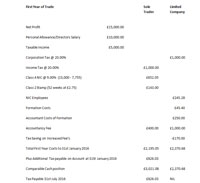
With the Government creating a tax break for Employers, in that the first £2,000 of Employer's National Insurance is being waived this year, most Accountants are encouraging their clients to pay £10,000 in Director's fees. Yes this does create a small liability of £245.28 in NIC payments during the year but it ensures that a Director is using his Allowance in full, saving £408.80 in Corporation Tax. This means even in a bad year there is a salary of £10,000 for mortgage purposes. It's all about saving tax!
This is even more so when you look at the respective tax bills of a Small Business making profits as I illustrate in my examples. But even more attention needs to be given as to when a Sole Trader pays his tax as opposed to a Limited Company. When a Sole Trader's tax bill is above £1,000 in any tax year, he has to start making payments on account of the following years Tax Liability; this is estimated as half of the previous year's tax bill. This can impact on an individual's tax bill and cash flow in a variety of ways and can be unexpected. |
|
|
Your first year's profits are £15,000 for the year ended 31st March 2016, and we will base this on the current Tax year therefore your personal allowance is £10,000. So what's your tax bill as a Sole Trader payable on the 31st January 2016? Is it £1000.00, or £1,652.05 or £2,478.08? Guess what its £2,478.08. If you were a Limited Company it would be £1,000.00 but you will also have paid £245.28 in NIC but as a Sole Trader you still have to pay £143.00. You work it out. Of course once you start paying on account you pay every six months so on the 31st July 2016 you have to pay another £826.02, but the Company only pays nine months after its year end and that bill in this example is £1,000.00, payable the 31st December 2015.
Yes there are additional costs in respect of the Company compared to being a Sole Trader. To set a Company through the agents I use costs £45.40 for a basic service but this ensures its done correctly, the amount of work that I have had to do in respect of self-formed Companies using the internet far outweighs the savings. I normally charge £250.00 plus vat for the service which includes:
| Forming the Company |
Providing the Registered Office |
Registering for PAYE |
| Registering for Value Added Tax |
General Advice |
Filing the Annual Return |
Preparing the Accounts on an annual basis does cost more than a Sole Trader as the Accounts include more information and have to be in a set format. They have then to be filed with the Inland Revenue along with the Corporation Return in electronic format which is an additional cost plus being filed at Companies House. Like the Sole Trader the Directors are required to file Personal Tax Returns. Realistically the above is an additional cost to that of preparing a normal set of accounts for a Sole Trader and then on top of this there is the cost of running a PAYE scheme for the Company. But you have to factor in the costs you would incur for accountancy services if you were not incorporated. In my example I am going to use the additional cost as £600.00 which is assumes a typical bill of £400.00 for services as a Sole Trader, which is assumes an average bill for a Limited Company of £1000.00.
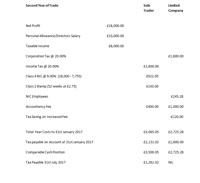
From the shown example you can see that in the first year the Company can cost more but in cash flow it can save you money. In the second year with increased profits from £15,000 to £18,000 the annual costs are less and the tax bill is halved. This is due to paying on account as you pay two on account payments amounting to £1652.05 against the second years bill of £2,522.05 (being £1,600 plus £922.05) which gives a shortfall of £870.00 and then you have the first instalment on account for the third year of half the tax bill £1261.02, hence the payment of £2131.02 with a second payment of £1,261.02.
In sheer economic terms it makes sense to become a Limited Company and each additional £1,000 of extra profit costs the Sole Trader £435.00 in additional tax on the 31st January compared to £200.00 for the Limited Company. This is based on cash flow, you then have to consider the impact of Limited Liability to third parties if there is a mistake made; you have a customer who can't pay or won't pay so consequently you can't pay yourself. But beware this will not affect any financial contracts you enter into as the Banks and Finance Houses will require a Directors Guarantee, so you will be responsible for this aspect of your business whether a Sole Trader or Limited Company.
Please contact me at my office if you want more information or make an appointment to see me to discuss it in full.

s |